




Disability Application · Pinnie

Your condition is real. Your application should prove it.

Most disability applications are denied because the paperwork is incomplete, not because the condition does not qualify. Your Pinnie advocate gathers the records, coordinates with your doctors, and builds the application that gets approved. Covered by Traditional Medicare.

  • Medical records gathered from every provider
  • Physician statements coordinated
  • Application completed accurately
  • Denials appealed with stronger evidence

Most patients pay nothing out of pocket.

Covered by Traditional Medicare

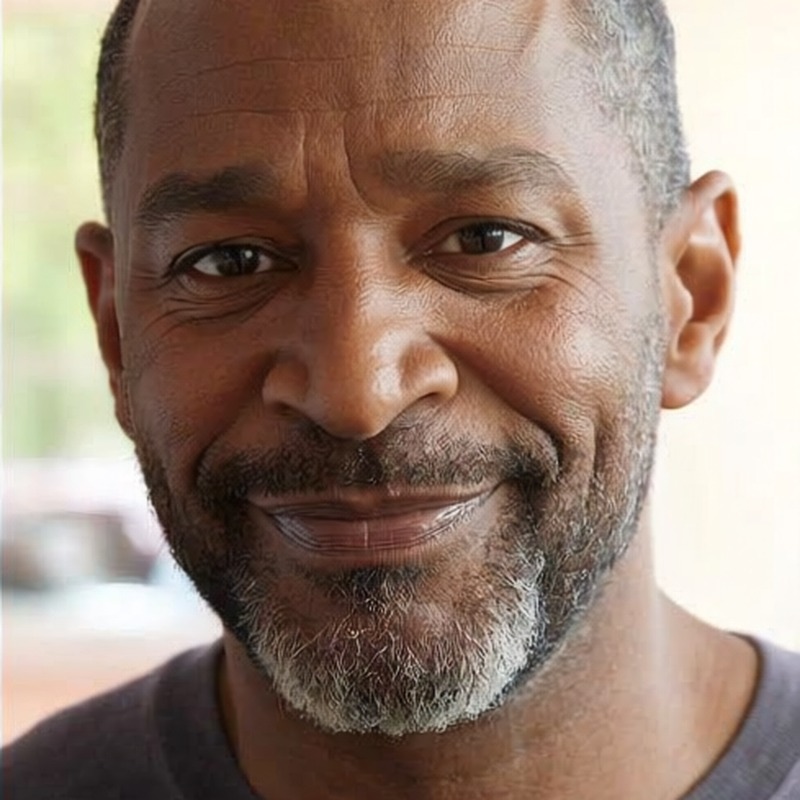
David L., Experienced Care Navigator
Advocate

David L.

Experienced Care Navigator · 22 yrs

Specialties

  • Disability Applications
  • Benefits Navigation
  • Documentation

Experience

David has spent twenty-two years helping patients navigate government benefits. He knows what Social Security reviewers look for, which documentation gaps cause denials, and how to organize a medical record that tells the story of your condition clearly. He has helped hundreds of patients build applications that get approved on the first pass.

Marcus W., Licensed Clinical Social Worker
Advocate

Marcus W.

Licensed Clinical Social Worker · 16 yrs

Specialties

  • SSDI/SSI
  • Functional Assessments
  • Hearing Preparation

Experience

Marcus has spent sixteen years helping families access disability benefits. He works with your doctors to document functional limitations — not just diagnoses — in the language that Social Security takes seriously. He knows when an application needs an attorney and connects you with the right one.

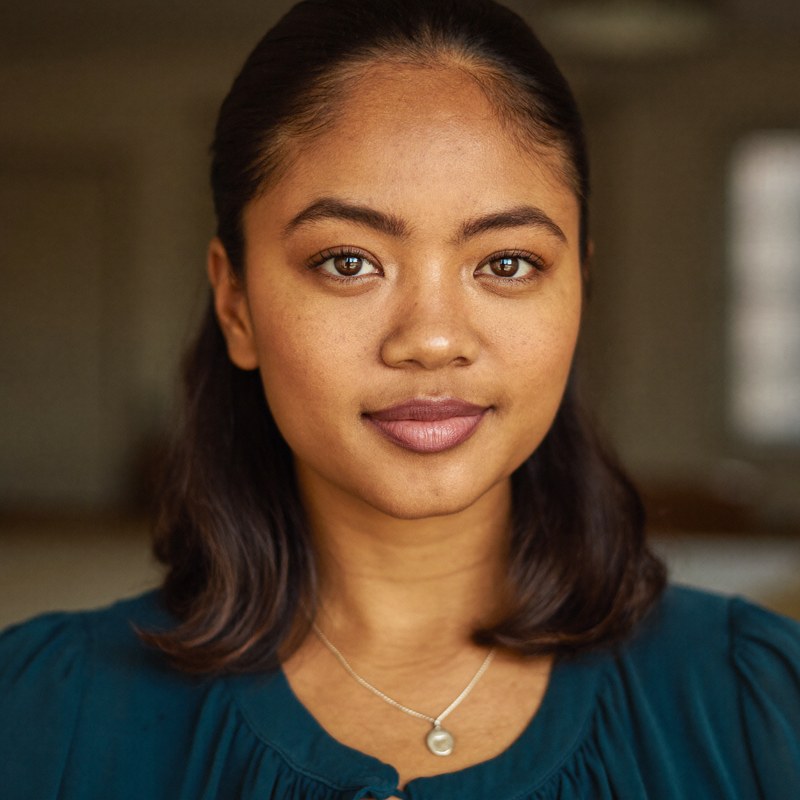
Priya S., Experienced Care Navigator
Advocate

Priya S.

Experienced Care Navigator · 12 yrs

Specialties

  • Records Collection
  • Appeal Filing
  • Deadline Tracking

Experience

Priya tracks every deadline and chases every record. She contacts each of your providers, confirms records have been sent, follows up when they have not, and assembles the complete documentation package. She files appeals within 24 hours of a denial and escalates until the decision is made.

65%

Most denials are paperwork failures, not medical ones.

of initial Social Security disability applications are denied, usually for documentation issues

How Pinnie works

A licensed clinician who actually picks up the phone.

Every Pinnie advocate is a registered nurse, licensed social worker, or experienced care navigator. They handle your care directly: scheduling, prior auths, appeals, and coordinating between providers. A supervising physician backs them up for clinical oversight.

  1. An older woman at her kitchen table working on a laptop with a coffee mug beside her.

    Step 1

    Match

    Tell us about your condition and your insurance. We pair you with an advocate whose background fits your situation. Most patients are matched within a day.

  2. An older man in his living room laughing on a phone call.

    Step 2

    Connect

    Call your advocate directly. They know your case the moment you pick up. No phone tree, no transfers, no callbacks.

  3. A grandmother walking on a tree-lined park path holding hands with her young granddaughter.

    Step 3

    Carry on

    Your advocate handles the appointments, the prior auths, the appeals, and the calls. As long as you need help, they are on it. Covered by Traditional Medicare.

Ready when you are

Stop fighting the system alone.

A licensed Pinnie advocate can be on your case today. Covered by Traditional Medicare.

What your advocate handles

A complete application. Not a best guess.

The difference between approval and denial is usually the completeness of your medical documentation. Your advocate builds the file before you file.

  • Application Preparation

    • Review your medical history and identify qualifying conditions
    • Gather clinical records, lab results, and physician statements from all providers
    • Help you complete the disability application with accurate, complete information
    • Ensure all deadlines are met and all forms are properly submitted
  • Medical Documentation Coordination

    • Request records from every provider involved in your care
    • Work with your doctors to write supporting statements about your functional limitations
    • Organize documentation chronologically and by condition
    • Identify and fill gaps in your medical record before they become denial reasons
  • Appeals & Follow-Up

    • File appeals within required timeframes when claims are denied
    • Gather additional medical evidence for reconsideration
    • Track your application status and follow up with the Social Security office
    • Connect you with disability attorneys or representatives when hearings are needed

Stories from our patients

Pinnie has helped thousands of patients

Member stories. Some details changed for privacy.

  • I was denied twice on my own. My advocate gathered records from five doctors I had forgotten about, got a new statement from my neurologist, and the third application was approved.

    Vincent, 63 · Boston, MA

  • I did not even know where to start. My advocate walked me through every step, filled out the forms with me, and filed everything on time. Approved on the first try.

    Bernice, 59 · Charlotte, NC

  • My doctor wrote a two-sentence letter. My advocate worked with him to write a full functional assessment. That letter made the difference.

    Frank, 66 · Buffalo, NY

  • Social Security lost my records twice. My advocate had copies of everything and refiled within a day. She tracked my case until the approval letter arrived.

    Yvonne, 61 · Cleveland, OH

One phone call away from a real advocate.

Your advocate is a licensed nurse, social worker, or care navigator. Covered by Traditional Medicare.

From our advocates

How a Pinnie advocate actually builds a winning disability application.

Gathering records from every provider, no gaps

The most common reason disability applications are denied is missing medical evidence. Your advocate contacts every doctor, hospital, lab, and specialist involved in your care, requests records, confirms receipt, and follows up when records are delayed. The complete file gets assembled before the application is submitted. Reviewers do not chase missing records — your advocate does.

Getting the right statements from your doctors

A diagnosis is not enough. Social Security wants to know what you cannot do because of your condition. Your advocate works with your doctors to document functional limitations in the format and language that reviewers take seriously: how far you can walk, how long you can sit, how your condition affects your ability to work. Generic "patient is disabled" letters get ignored. Specific functional assessments get approved.

Completing the application accurately

The disability application asks dozens of detailed questions about your medical history, work history, daily activities, and functional capacity. Wrong answers or omissions cause denials. Your advocate completes the application with you, making sure every question is answered fully and consistently with your medical records. The application and the records need to tell the same story.

Appealing denials with stronger evidence

If your application is denied, your advocate files the appeal within the 60-day window and identifies what evidence was missing or unconvincing. New records are gathered, updated physician statements are requested, and the appeal is filed with a stronger package. Most denials are overturned at the reconsideration or hearing level when the evidence is right. If a hearing is needed, your advocate connects you with a disability attorney who handles hearings.

Common situations

Conditions where this comes up.

Frequently asked

Common questions, honest answers.

Yes. Your advocate helps you gather the medical documentation and complete the application process for both SSDI (Social Security Disability Insurance) and SSI (Supplemental Security Income). The number one reason applications are denied is incomplete medical documentation — your advocate makes sure yours is complete.

You don’t have to do this alone.

Get matched with a Pinnie advocate today.

Covered by Traditional Medicare

Get matched