




GLP-1 Navigation · Pinnie

GLP-1 for ~$50/month. Medicare covers it.

Ozempic, Mounjaro, Wegovy, Zepbound — your Medicare plan likely covers GLP-1 medications, but the prior auths and pharmacy coordination stop most people. Your Pinnie advocate handles all of it. Covered by Traditional Medicare.

  • Prior auth filed with full documentation
  • Lowest-cost pharmacy identified
  • Denials appealed and overturned
  • Refills tracked, shortages managed

Most patients pay nothing out of pocket.

Covered by Traditional Medicare

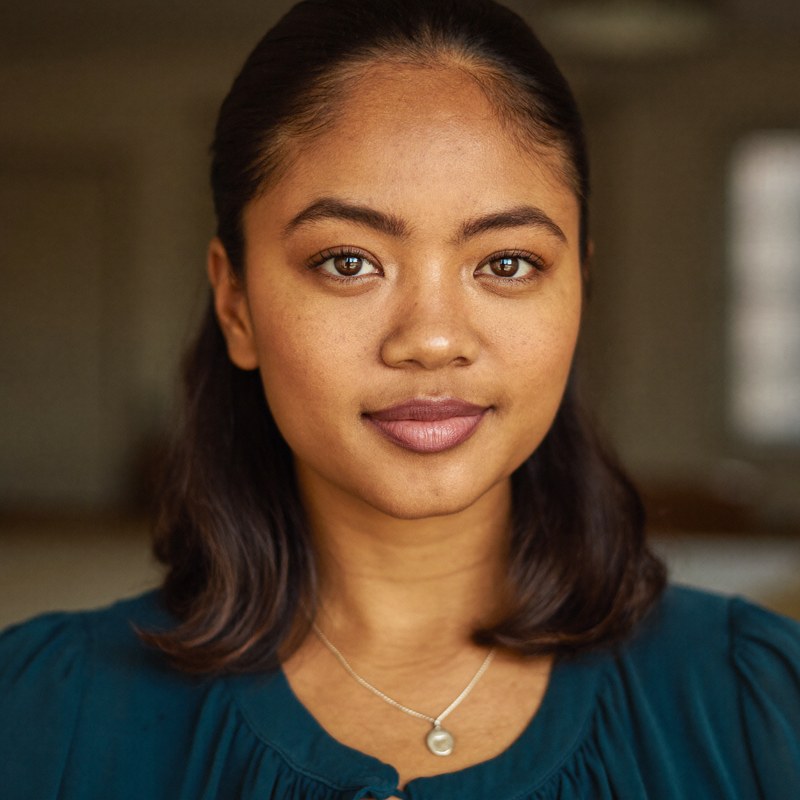
Priya S., Experienced Care Navigator
Advocate

Priya S.

Experienced Care Navigator · 12 yrs

Specialties

  • GLP-1 Coverage
  • Prior Authorizations
  • Part D Navigation

Experience

Priya has spent twelve years inside insurance prior authorization systems. She knows which GLP-1 medications each major Part D plan covers at which tier, which pharmacies offer the lowest copay, and how to write the prior auth that gets approved on the first try. She has helped hundreds of patients get GLP-1 access at a fraction of retail cost.

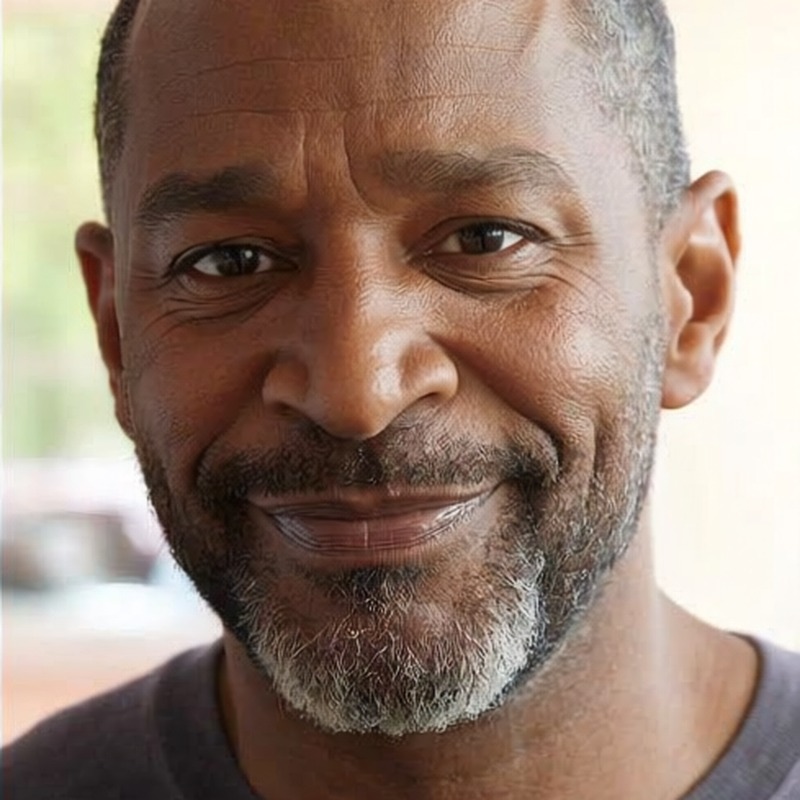
David L., Experienced Care Navigator
Advocate

David L.

Experienced Care Navigator · 22 yrs

Specialties

  • Medicare Part D
  • Copay Reduction
  • Extra Help Programs

Experience

David has spent twenty-two years inside Medicare. He knows the Part D formulary landscape, which plans cover GLP-1s at the lowest tier, and how to layer Extra Help and manufacturer programs to bring costs below fifty dollars a month. He handles the annual plan review during Open Enrollment to keep your costs low.

Maria V., Registered Nurse
Advocate

Maria V.

Registered Nurse · 18 yrs

Specialties

  • Clinical Documentation
  • Step Therapy
  • Physician Coordination

Experience

Maria coordinates between your prescriber and your plan when step therapy or clinical criteria block access. She gathers the lab values, documents prior medications tried, and works with your doctor to write the medical necessity letter that satisfies the plan. When the pharmacy says "insurance won't cover it," she fixes it.

$1,000+/mo

The medication exists. The barrier is paperwork.

is the average retail cost of GLP-1 medications without proper insurance navigation

How Pinnie works

A licensed clinician who actually picks up the phone.

Every Pinnie advocate is a registered nurse, licensed social worker, or experienced care navigator. They handle your care directly: scheduling, prior auths, appeals, and coordinating between providers. A supervising physician backs them up for clinical oversight.

  1. An older woman at her kitchen table working on a laptop with a coffee mug beside her.

    Step 1

    Match

    Tell us about your condition and your insurance. We pair you with an advocate whose background fits your situation. Most patients are matched within a day.

  2. An older man in his living room laughing on a phone call.

    Step 2

    Connect

    Call your advocate directly. They know your case the moment you pick up. No phone tree, no transfers, no callbacks.

  3. A grandmother walking on a tree-lined park path holding hands with her young granddaughter.

    Step 3

    Carry on

    Your advocate handles the appointments, the prior auths, the appeals, and the calls. As long as you need help, they are on it. Covered by Traditional Medicare.

Ready when you are

Stop fighting the system alone.

A licensed Pinnie advocate can be on your case today. Covered by Traditional Medicare.

What your advocate handles

From denied to delivered.

Most patients give up when the pharmacy says their GLP-1 is not covered. Your advocate knows it usually is — the prior auth just needs to be filed correctly with the right clinical documentation.

  • Coverage & Prior Authorization

    • Determine your Medicare plan's specific GLP-1 coverage and formulary tier
    • File prior authorizations with complete clinical documentation from your doctor
    • Appeal denials with medical necessity letters and supporting evidence
    • Identify Part D plans or programs that cover your specific GLP-1 at the lowest copay
  • Prescription & Pharmacy Coordination

    • Coordinate between your prescriber, insurance, and pharmacy to resolve holds
    • Find specialty pharmacies with lower copays for your specific medication
    • Set up mail-order pharmacy options when they reduce your cost
    • Track refill schedules and resolve supply-chain shortages proactively
  • Ongoing Cost Optimization

    • Monitor for manufacturer savings programs and copay assistance
    • Screen you for Extra Help and other programs that reduce Part D costs
    • Review your coverage annually during Open Enrollment for better GLP-1 coverage
    • Coordinate with your doctor on step therapy requirements to satisfy plan criteria

Stories from our patients

Pinnie has helped thousands of patients

Member stories. Some details changed for privacy.

  • My pharmacy said Ozempic would be nine hundred a month. My advocate got it covered for forty-seven dollars. I did not change plans. She just knew how to file the paperwork.

    Gloria, 69 · Tampa, FL

  • I was denied twice. My advocate filed the appeal with my doctor's letter and lab results. Approved in eleven days. I have been on it for six months now.

    James, 72 · Houston, TX

  • I had no idea Medicare covered weight management medications. My advocate found the right plan during Open Enrollment and got my Mounjaro down to fifty-two dollars a month.

    Diane, 67 · Phoenix, AZ

  • The pharmacy kept saying it was on backorder. My advocate found a specialty pharmacy with stock and transferred my prescription the same day.

    Harold, 74 · Atlanta, GA

One phone call away from a real advocate.

Your advocate is a licensed nurse, social worker, or care navigator. Covered by Traditional Medicare.

From our advocates

How a Pinnie advocate actually gets your GLP-1 covered.

Checking your specific plan coverage first

Not all Part D plans cover every GLP-1 the same way. Your advocate checks your specific plan formulary, identifies the tier your medication sits on, and determines whether prior authorization is required. If your current plan does not cover your GLP-1 well, your advocate identifies better options for the next Open Enrollment period. The goal is the lowest out-of-pocket cost on the medication your doctor prescribed.

Filing the prior authorization correctly the first time

Most GLP-1 prior auths get denied because the clinical documentation is incomplete. Your advocate works with your prescriber to gather the required information: diagnosis codes, A1C levels, BMI, prior medications tried, and a letter of medical necessity. The prior auth is submitted with everything the plan reviewer needs to approve it. First-pass approval rates jump dramatically when the package is right.

Appealing denials with evidence that works

When a prior auth is denied, most patients stop. Your advocate files the appeal within 48 hours, escalates through each level, and attaches peer-reviewed evidence and updated clinical notes. Most GLP-1 denials are overturned on appeal when the right evidence is presented. Your advocate has done this hundreds of times and knows the language plans take seriously.

Finding the lowest-cost pharmacy path

The same GLP-1 medication can cost dramatically different amounts at different pharmacies under the same plan. Your advocate checks retail, mail-order, and specialty pharmacies to find the lowest copay. Manufacturer copay cards and patient assistance programs get layered on top. The result is usually between thirty-five and ninety-five dollars a month — not the one thousand dollars the first pharmacy quoted.

Frequently asked

Common questions, honest answers.

Yes. Since the Inflation Reduction Act and recent CMS guidance, Medicare Part D plans are required to cover FDA-approved GLP-1 medications for diabetes management. Coverage for weight management is expanding. Your advocate determines exactly what your plan covers and gets the prior auth filed correctly.

You don’t have to do this alone.

Get matched with a Pinnie advocate today.

Covered by Traditional Medicare

Get matched